Human-Centered Design (HCD) is an approach that prioritizes the needs, preferences, and experiences of users in the design process. By putting users at the center of creative web design, HCD aims to create meaningful and user-friendly digital experiences. Here are some key points to consider:
Understanding User Needs
HCD begins with thorough research to gain insights into user behaviors, preferences, and pain points. User interviews, surveys, and usability testing help designers understand user needs and motivations.

Empathy and User Persona Development
Designers create user personas, which are fictional representations of target users. These personas help in developing empathy and aligning design decisions with user expectations.
User Journey Mapping
Mapping the user journey helps identify touchpoints and interactions throughout the user’s experience. This allows designers to identify pain points and opportunities for improvement.
Iterative Design Process
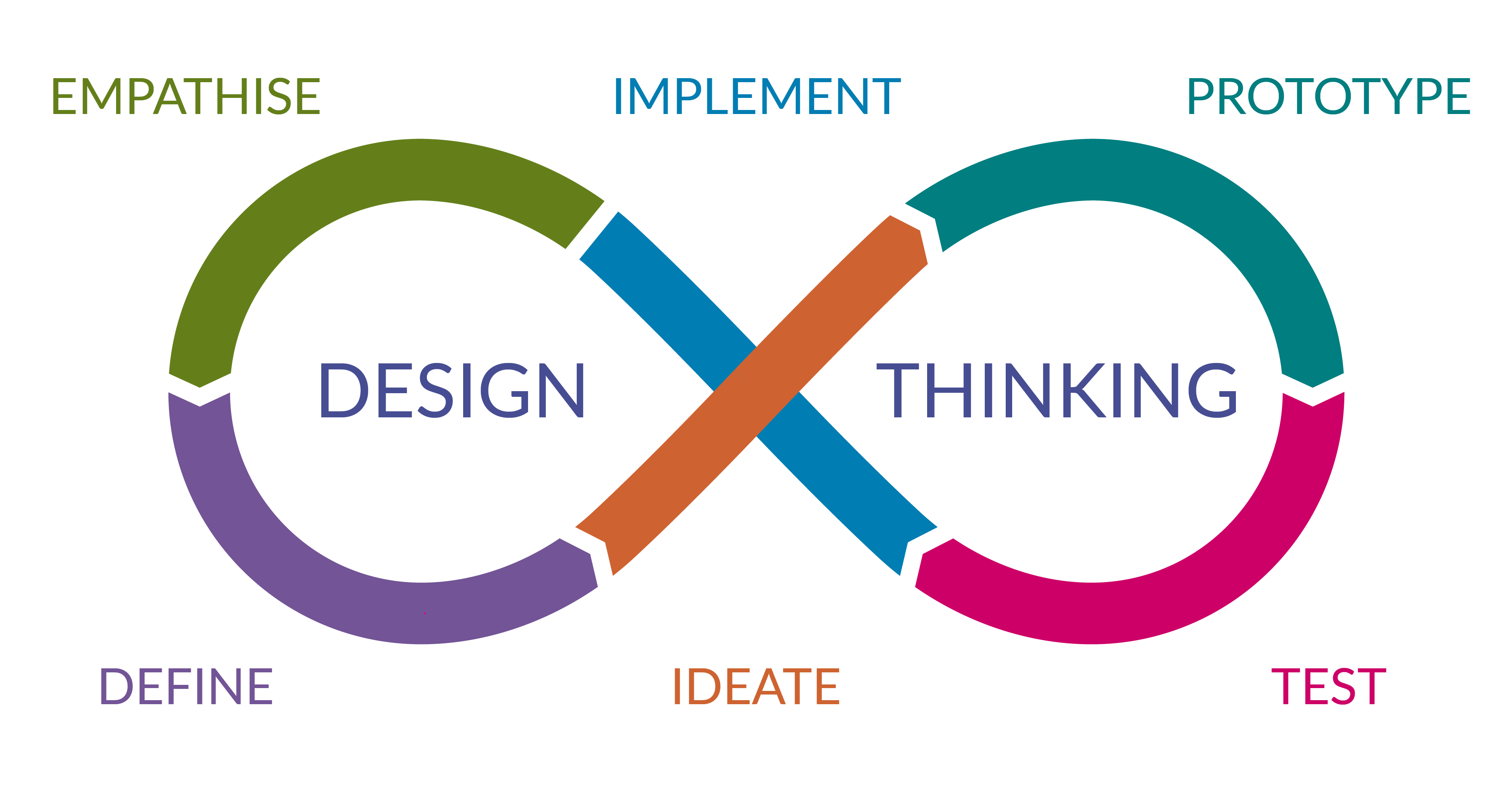
HCD emphasizes an iterative approach, starting with low-fidelity prototypes that are tested and refined based on user feedback. This process helps designers refine their designs based on user preferences and needs.
Accessibility and Inclusivity
HCD emphasizes designing for all users, including those with disabilities. Designers should consider accessibility standards and guidelines to ensure a seamless experience for all users.
Collaboration and Co-Creation
HCD involves stakeholders, users, and designers in the design process. Collaborative workshops and feedback sessions help generate ideas and gather diverse perspectives.

Usability Testing
Regular usability testing allows designers to evaluate the effectiveness of their designs and make necessary improvements. User feedback helps identify usability issues and refine the user experience.
Continuous Improvement
HCD is an ongoing process of learning and improvement. Designers should actively seek feedback, monitor user behavior, and adapt designs to meet evolving user needs.
Ethical Considerations
HCD promotes ethical design practices, such as respecting user privacy, ensuring data security, and being transparent about how user data is collected and used.
Evaluation and Metrics
Measuring the success of the design is crucial. Key performance indicators (KPIs) such as conversion rates, engagement metrics, and user satisfaction scores help assess the effectiveness of the design.
In conclusion, by adopting a human-centered approach, designers can create web experiences that are intuitive, engaging, and tailored to the needs and preferences of their users.

Key Points Summary
- Human-Centered Design (HCD) prioritizes user needs and experiences in the design process.
- Understanding user needs through research, interviews, and testing is crucial in HCD.
- Developing user personas helps designers empathize with users and align design decisions.
- Mapping user journeys identifies pain points and opportunities for improvement.
- HCD follows an iterative design process, starting with prototypes and refining based on user feedback.
- Accessibility and inclusivity are important considerations in HCD.
- Collaboration and co-creation involve stakeholders and users in the design process.
- Usability testing helps evaluate and improve designs based on user feedback.
- Continuous improvement is key in HCD, with a focus on ethical design practices.
- Evaluation metrics such as conversion rates and user satisfaction scores measure the success of the design.
Contact our Vietnam team to learn more about how we can help you optimize your website for SEO and achieve your online marketing goals.