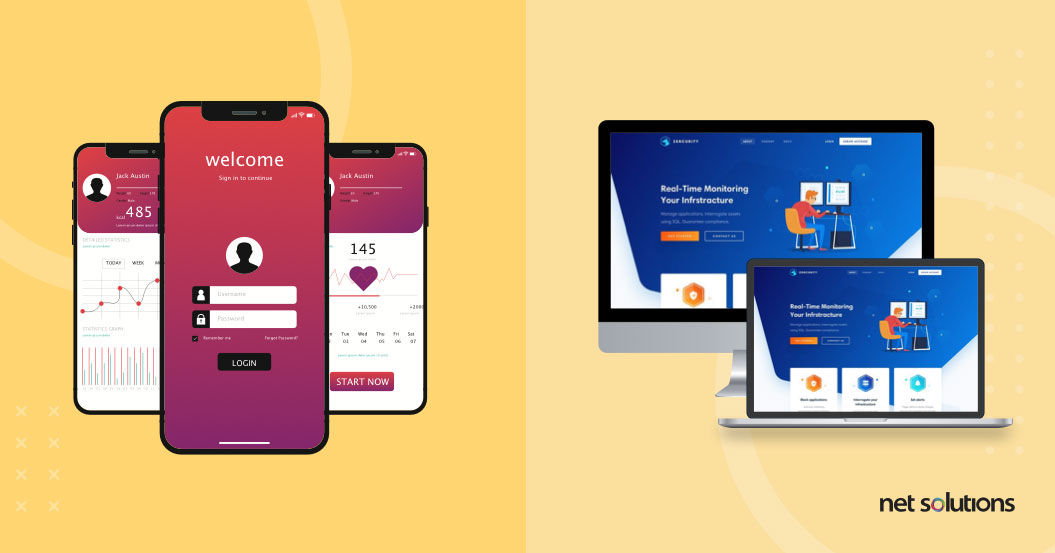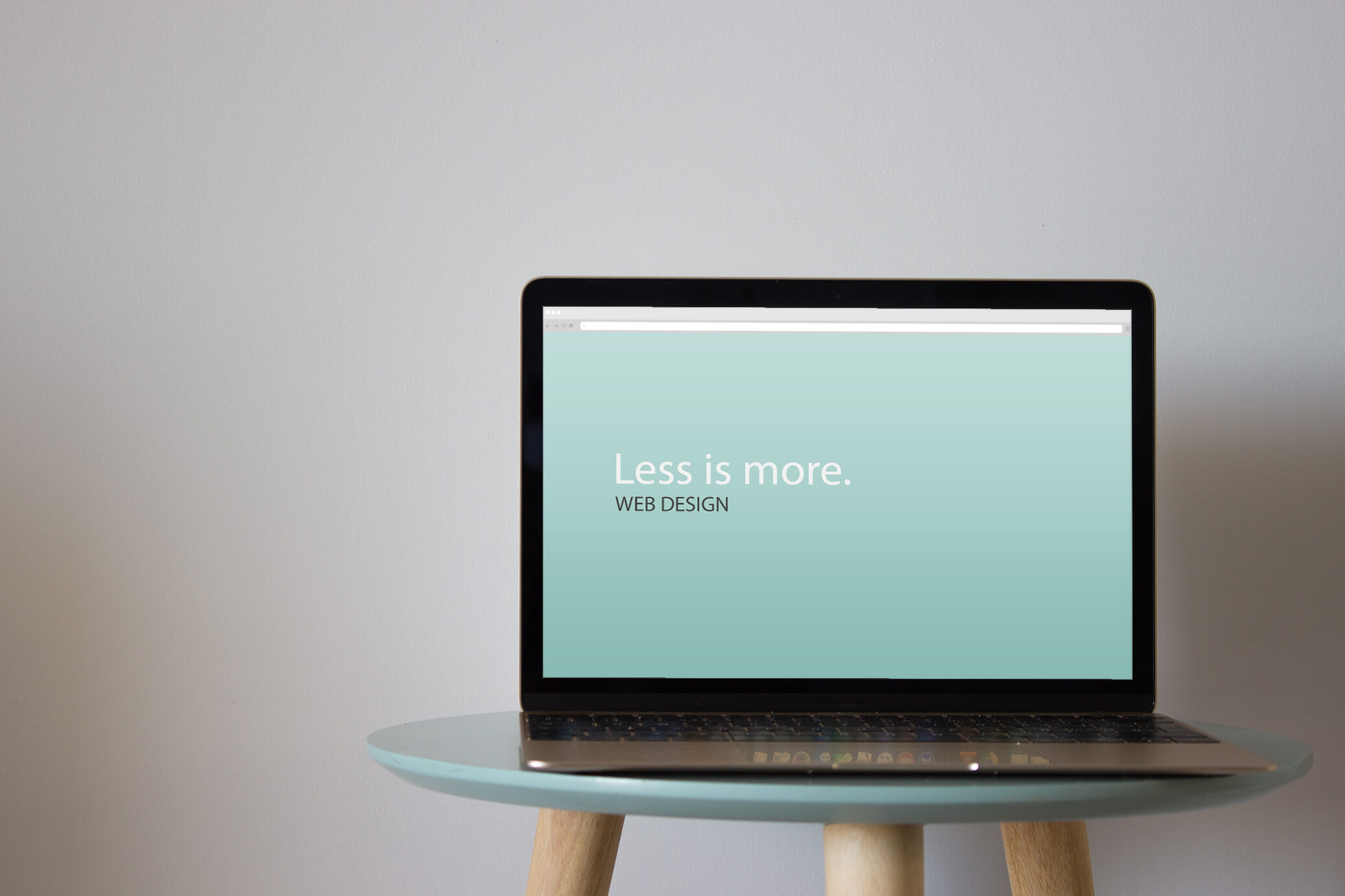
In the ever-evolving world of web design, minimalism has emerged as a powerful design approach. With its clean lines, ample white space, and simplicity, minimalism focuses on delivering a clutter-free and engaging user experience. In this article, we will explore the concept of minimalism in web design and its key benefits.
Simplicity
Minimalism emphasizes simplicity in design, stripping away unnecessary elements and focusing on essential content. This allows for a clean and uncluttered interface that is visually appealing and easy to navigate.
Clear Communication
By using minimalistic design elements, websites can convey their message more effectively. With fewer distractions, the key information and call-to-action are highlighted, ensuring better user comprehension and engagement.
Enhanced User Experience
Minimalism puts the user at the center of the design process. By eliminating visual noise and unnecessary features, users can focus on the core content, leading to a more intuitive and enjoyable browsing experience.
Mobile-Friendly Design
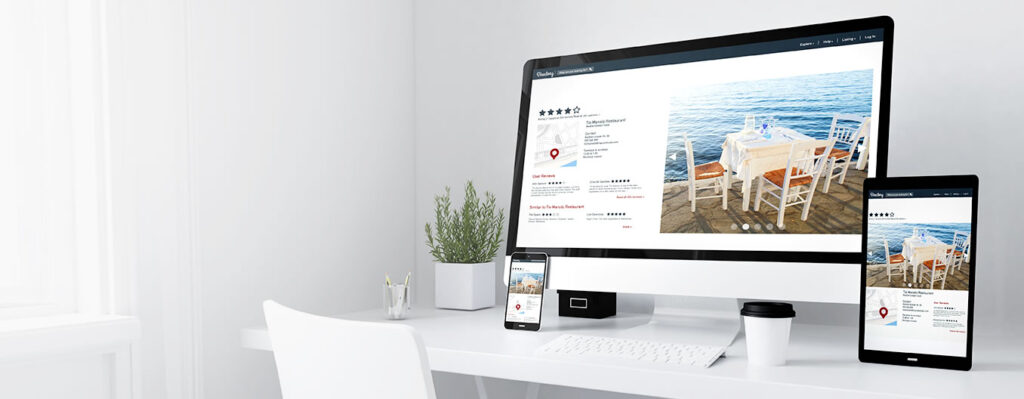
Minimalism aligns well with responsive design principles, making websites easily adaptable to different screen sizes. With fewer elements to adjust, the user experience remains consistent across devices.

Faster Loading Times
Minimalist design often means fewer resources, resulting in faster loading times. This is crucial for improving user satisfaction and reducing bounce rates, as users tend to abandon websites that take too long to load.
Increased Accessibility
Minimalism promotes accessibility by prioritizing content hierarchy, legibility, and clear navigation. Users with disabilities can benefit from an uncluttered design that makes information more accessible and comprehensible.
Focus on Visual Elements
Minimalistic websites often rely on impactful visuals, such as high-quality images or typography. These elements take center stage, creating a strong visual impact and reinforcing the brand identity.

Timeless Design
Minimalism has stood the test of time and remains a popular design trend. Its simplicity and timeless appeal ensure that websites designed with minimalistic principles will stay relevant and visually appealing for years to come.
In conclusion, minimalism in web design offers numerous benefits in today’s fast-paced digital landscape. By embracing simplicity and focusing on essential elements, websites can deliver a visually engaging and user-friendly experience. From improved user engagement to faster loading times, minimalism proves that less is indeed more in the world of web design.
Key Points Summary
- Simplicity: Minimalism in web design focuses on stripping away unnecessary elements and delivering a clean and uncluttered interface.
- Clear Communication: Minimalistic design allows for effective communication by highlighting key information and call-to-action.
- Enhanced User Experience: Minimalism puts the user at the center, providing an intuitive and enjoyable browsing experience.
- Mobile-Friendly Design: Minimalist websites adapt well to different screen sizes and ensure consistent user experience across devices.
- Faster Loading Times: With fewer resources, minimalistic design leads to faster loading times, improving user satisfaction.
- Increased Accessibility: Minimalism promotes content hierarchy, legibility, and clear navigation for better accessibility.
- Focus on Visual Elements: Minimalistic websites rely on impactful visuals to create a strong visual impact and reinforce brand identity.
- Timeless Design: Minimalism is a timeless design trend that remains visually appealing and relevant over time.
Contact our Vietnam team to learn more about how we can help you optimize your website for SEO and achieve your online marketing goals.