Typography plays a crucial role in web design, impacting the overall aesthetics and user experience. While traditional fonts have their place, innovative typography techniques can take web design to a whole new level. By exploring alternative fonts, creative layouts, and unique typographic elements, designers can create visually striking and memorable websites. In this article, we will delve into the world of innovative typography techniques and their impact on web design.
Custom Fonts
Using custom fonts allows designers to create a unique visual identity for a website. Custom fonts can be tailored specifically to match a brand’s personality and convey its message effectively. They can be handcrafted or created digitally, offering endless possibilities for creative typography.
Variable Fonts
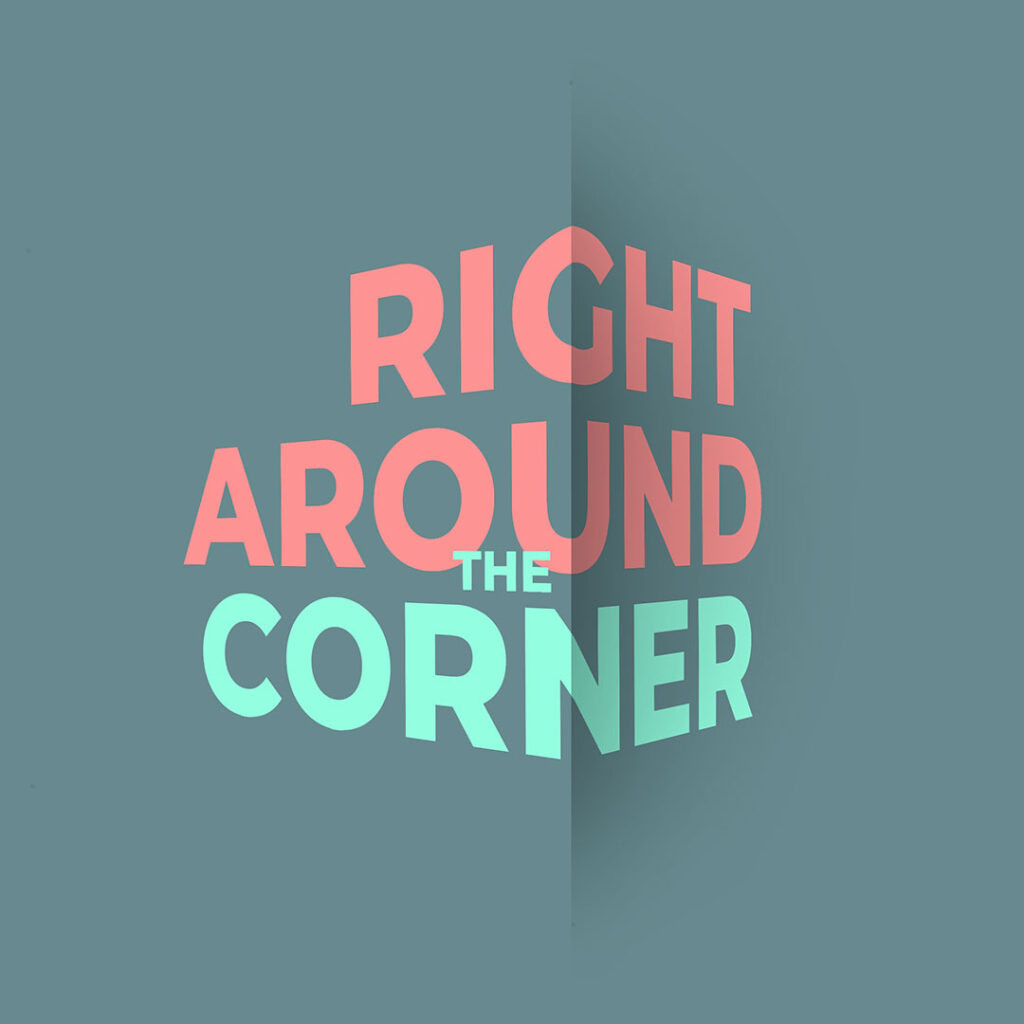
Variable fonts are a cutting-edge technology that allows designers to manipulate various typographic attributes, such as weight, width, and slant, within a single font file. This flexibility enables dynamic and responsive typography, providing a seamless experience across different devices and screen sizes.
Experimental Layouts
Breaking away from traditional grid-based layouts, designers can experiment with unconventional typography arrangements. Overlaying text, creating text masks, or incorporating typography into images can add an artistic and unique touch to web design. These innovative layouts can captivate users’ attention and make the website stand out.
Kinetic Typography
Kinetic typography refers to the use of motion and animation to bring text to life. By animating individual letters or entire words, designers can create engaging and dynamic typography experiences. Kinetic typography can be used to emphasize key messages, guide users’ attention, or simply add a sense of playfulness to the website.
Mixed Media Typography
Integrating typography with other visual elements, such as images, videos, or illustrations, can create visually stunning compositions. By blending different media together, designers can create a cohesive and immersive experience that combines text and visuals in innovative ways.

Typography as Design Element
Rather than using typography solely for conveying information, designers can treat typography as a design element in itself. Experimenting with various font sizes, weights, spacing, and alignment can create visually interesting compositions and evoke specific emotions. Typography can become an integral part of the overall design, enhancing the visual impact of the website.
Hand-Lettering and Calligraphy
Hand-lettering and calligraphy add a personal and artisanal touch to web design. These techniques involve creating custom letterforms by hand, resulting in unique and expressive typography. Hand-lettered typography can bring a sense of authenticity and craftsmanship to a website, making it feel more human and approachable.
Negative Space Typography
Using negative space cleverly, designers can create typography designs where the letters themselves become the main visual element. By removing parts of the letters or using the background to define their shape, negative space typography offers a minimalist and elegant approach that can be visually striking and memorable.
In conclusion, innovative typography techniques open up a world of creative possibilities in web design. By going beyond traditional fonts and exploring custom typography, variable fonts, experimental layouts, kinetic typography, mixed media approaches, hand-lettering, negative space typography, and more, designers can create visually stunning and engaging websites. These techniques allow for more expressive and impactful storytelling, enhance the user experience, and leave a lasting impression on website visitors. Embracing innovative typography can truly elevate the design and make a website stand out in today’s digital landscape.

Key Points Summary
- Custom Fonts: Using custom fonts adds uniqueness and personality to web design, allowing brands to convey their message effectively.
- Variable Fonts: This innovative technology enables designers to manipulate various typographic attributes within a single font file, offering flexibility and responsiveness.
- Experimental Layouts: Breaking away from traditional grid-based layouts, designers can explore unconventional typography arrangements to create visually striking designs.
- Kinetic Typography: Animation and motion bring typography to life, adding dynamism and engagement to the design.
- Mixed Media Typography: Integrating typography with other visual elements creates visually stunning compositions that combine text and visuals in innovative ways.
- Typography as Design Element: Treating typography as a design element itself, with creative use of sizes, weights, spacing, and alignment, enhances the overall visual impact.
- Hand-Lettering and Calligraphy: These techniques add a personal and artisanal touch to web design, creating unique and expressive typography.
- Negative Space Typography: Clever use of negative space turns letters into the main visual element, offering a minimalist and elegant approach.
- Innovative typography techniques elevate storytelling, enhance user experience, and leave a lasting impression on website visitors.
Contact our Vietnam team to learn more about how we can help you optimize your website for SEO and achieve your online marketing goals.