In today’s digital landscape, user-centric design has become a crucial aspect of creating successful products and services. By focusing on the needs, preferences, and behaviors of users, companies can develop innovative solutions that resonate with their target audience. User-centric design innovation prioritizes the user experience, ensuring that every decision and feature is tailored to meet users’ expectations and deliver value. Let’s explore the key aspects of user-centric design innovation and its significance in creating creative solutions.
Understanding User Needs
User-centric design innovation starts with a deep understanding of user needs and pain points. By conducting user research, surveys, and usability testing, designers gain valuable insights into users’ motivations, goals, and challenges. This knowledge serves as a foundation for creating solutions that address specific user needs and deliver meaningful experiences.

Empathy and User Persona Development
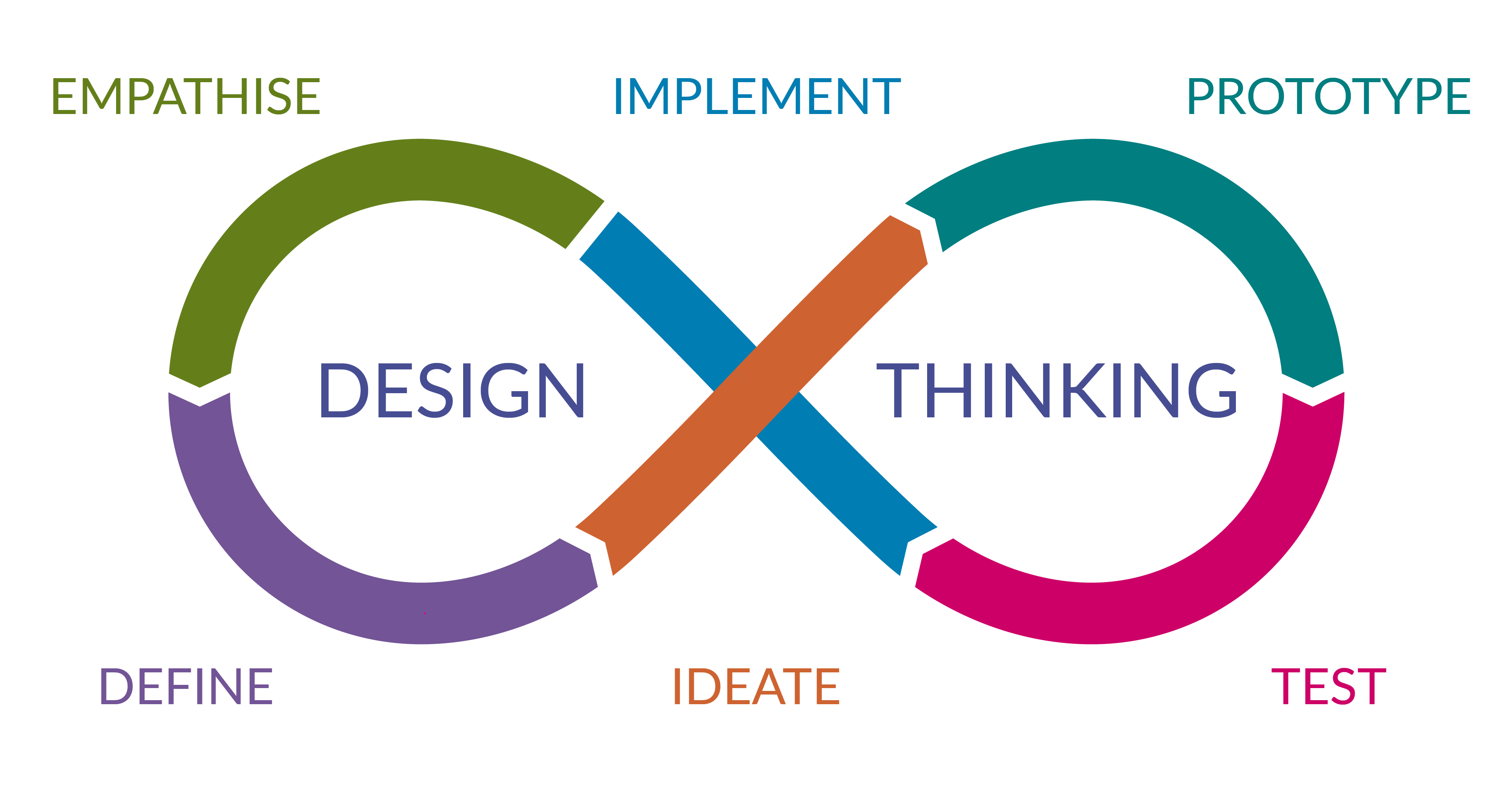
Empathy plays a vital role in user-centric design innovation. Designers strive to understand users’ emotions, desires, and frustrations to develop empathy-driven solutions. Creating user personas based on research findings helps designers humanize the target audience, making it easier to design experiences that resonate with real users.
User Journey Mapping
User journey mapping visualizes the entire user experience from start to finish, identifying touchpoints, pain points, and opportunities for improvement. By understanding users’ interactions with a product or service, designers can identify areas where innovative solutions can enhance the overall user experience.
Co-Creation and Iterative Design
User-centric design innovation involves collaboration with users throughout the design process. Co-creation sessions, where users provide feedback and ideas, enable designers to incorporate user insights into the design. The iterative design process allows for continuous refinement based on user feedback, ensuring that the final solution meets users’ expectations.

Usability and Accessibility
A key aspect of user-centric design innovation is creating solutions that are intuitive, easy to use, and accessible to a diverse range of users. Usability testing helps identify usability issues and refine the design for a seamless user experience. Designing with accessibility in mind ensures that all users, including those with disabilities, can access and interact with the solution effectively.
Human-Centered Interaction and Visual Design
Human-centered interaction design focuses on creating interfaces that are intuitive, responsive, and delightful to use. It involves designing clear navigation, interactive elements, and feedback mechanisms that guide users and provide a sense of control. Visual design plays a vital role in user-centric design innovation by leveraging aesthetics and visual cues to evoke emotions and create engaging experiences.
Continuous User Feedback and Data Analysis
User-centric design innovation is an ongoing process that involves gathering user feedback and analyzing data to inform future design decisions. By leveraging user analytics and behavioral data, designers can uncover insights and make data-driven improvements to the solution, ensuring its continued relevance and effectiveness.
In conclusion, user-centric design innovation is a powerful approach that puts users at the heart of creative solutions. By understanding user needs, co-creating with users, and iterating based on user feedback, companies can deliver products and services that truly resonate with their target audience. User-centric design innovation enhances the user experience, fosters user loyalty, and drives business success. Embracing this approach is essential for companies looking to stay competitive in today’s user-centered digital landscape.

Key Points Summary
- User-centric design innovation prioritizes the needs, preferences, and behaviors of users, ensuring that every decision and feature is tailored to meet their expectations and deliver value.
- Understanding user needs through research, surveys, and usability testing is essential for developing innovative solutions that address specific user pain points.
- Empathy and user persona development help humanize the target audience, enabling designers to create solutions that resonate with real users.
- User journey mapping visualizes the entire user experience, identifying touchpoints, pain points, and opportunities for improvement.
- Co-creation and iterative design involve collaboration with users throughout the design process, incorporating their feedback and ideas for continuous refinement.
- Usability and accessibility are crucial aspects of user-centric design, ensuring that solutions are intuitive, easy to use, and accessible to a diverse range of users.
- Human-centered interaction and visual design focus on creating interfaces that are intuitive, responsive, and visually engaging, guiding users and evoking emotions.
- Continuous user feedback and data analysis inform future design decisions, allowing for data-driven improvements and ensuring the solution’s ongoing relevance and effectiveness.
- User-centric design innovation enhances the user experience, fosters user loyalty, and drives business success in today’s user-centered digital landscape.
Contact our Vietnam team to learn more about how we can help you optimize your website for SEO and achieve your online marketing goals.