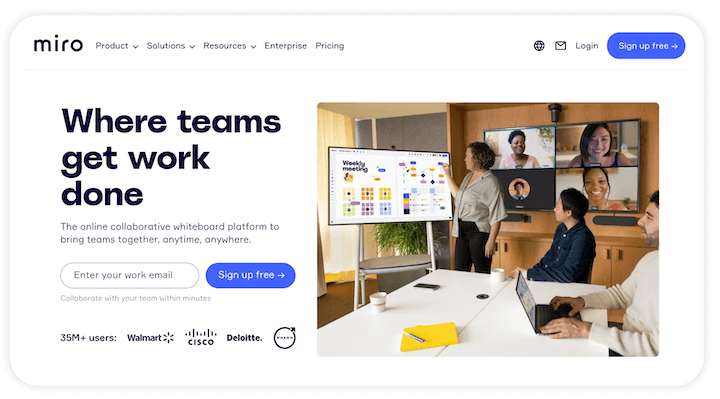
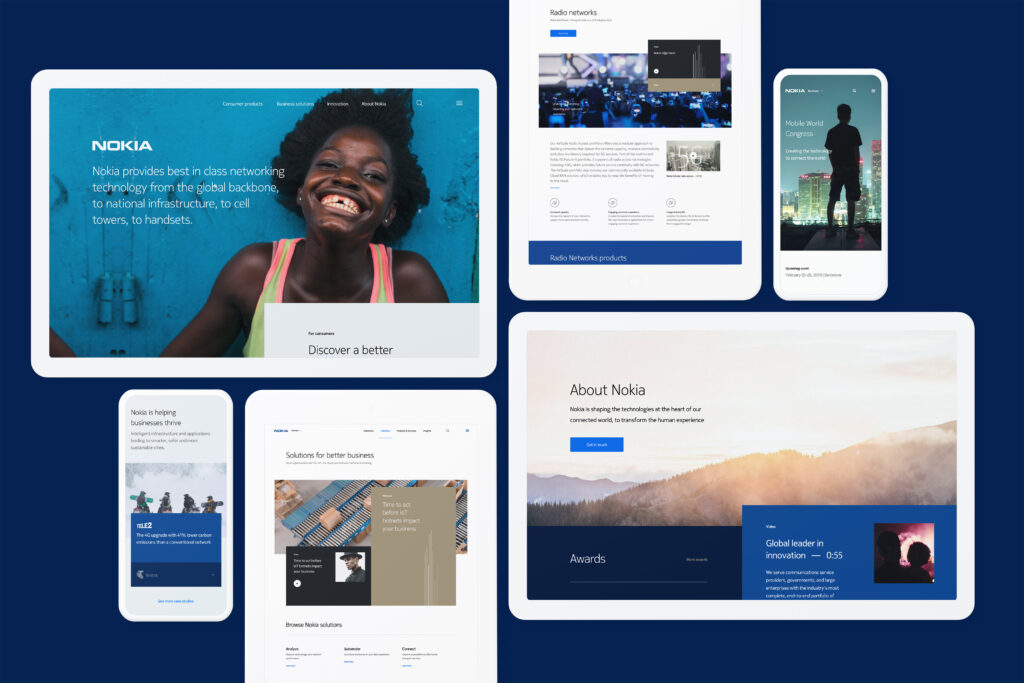
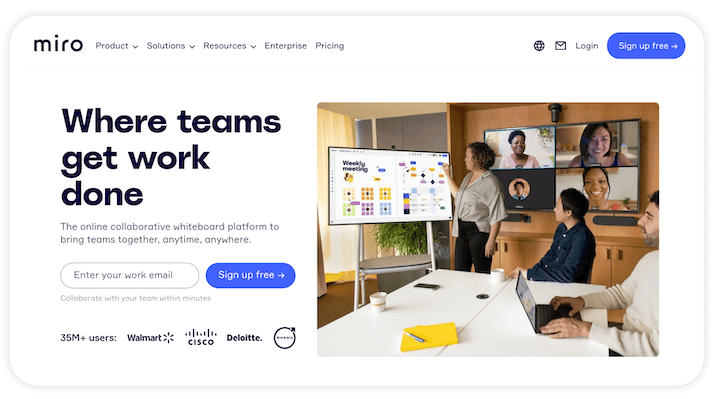
Responsive design is an essential consideration for B2B websites and enterprise solutions. With an increasing number of users accessing the web on various devices, it is crucial to provide a seamless and optimized experience across all screen sizes. Here are the key points to consider:
Mobile-first approach
Start the design process by prioritizing mobile devices, as they are often the primary access point for B2B users.
User-centric design
Understand the unique needs and preferences of B2B users and tailor the design accordingly. Focus on providing a user-friendly experience that allows for easy navigation and access to important information.
Streamlined content
Present complex B2B information in a concise and organized manner. Use clear headings, bullet points, and visual elements to enhance readability and comprehension.
Responsive layouts
Design flexible layouts that adapt to different screen sizes, ensuring that content and functionality remain accessible and intuitive across devices.
Performance optimization
Optimize page load times by minimizing file sizes, compressing images, and leveraging caching techniques. Fast-loading pages are crucial for retaining user engagement and preventing bounce rates.
Integration with enterprise systems
Consider the integration of responsive design with existing enterprise systems such as customer relationship management (CRM), content management systems (CMS), and other business applications to ensure consistent branding and data synchronization.
Scalability and customization
Design with scalability in mind, allowing for future growth and customization. B2B websites often require advanced functionality, such as customer portals, product catalogs, and account management features, which should be seamlessly incorporated into the responsive design.
Security considerations
Ensure that responsive design implementation does not compromise the security of sensitive data. Implement appropriate security measures, such as SSL certificates and user authentication protocols, to protect user information.
Testing and optimization
Conduct thorough testing across different devices and screen sizes to identify any usability or functionality issues. Continuously monitor and optimize the responsive design to improve user experience and meet evolving user expectations.
Analytics and data-driven decision making
Utilize analytics tools to gather data on user behavior and preferences. Use this data to make informed design decisions and continuously improve the responsive design strategy.
In conclusion, by implementing responsive design principles for B2B websites and enterprise solutions, businesses can provide a seamless user experience, enhance engagement, and drive better conversion rates. Embracing the mobile-first approach and focusing on user needs will ensure that B2B customers can access information and conduct business efficiently across devices.
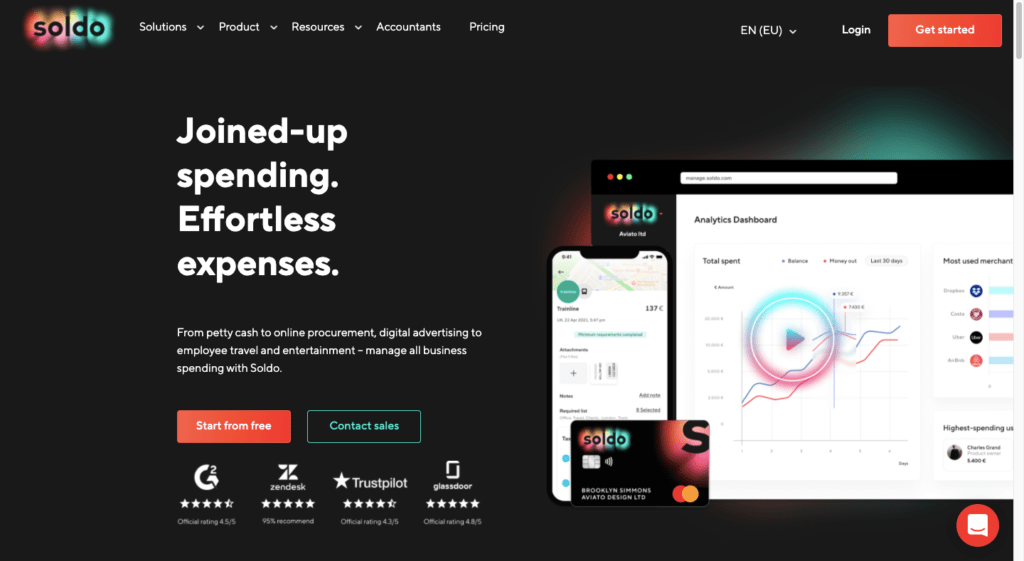
Key Points Summary
- Mobile-first approach: Prioritize mobile devices in the design process for B2B websites and enterprise solutions.
- User-centric design: Understand the unique needs and preferences of B2B users to create a user-friendly experience.
- Streamlined content: Present complex B2B information in a concise and organized manner for easy comprehension.
- Responsive layouts: Design flexible layouts that adapt to different screen sizes and devices.
- Performance optimization: Optimize page load times to retain user engagement.
- Integration with enterprise systems: Seamlessly integrate responsive design with existing enterprise systems for consistent branding and data synchronization.
- Scalability and customization: Design with scalability in mind to accommodate future growth and customization needs.
- Security considerations: Implement appropriate security measures to protect sensitive data.
- Testing and optimization: Conduct thorough testing across devices and continuously optimize the responsive design.
- Analytics and data-driven decision making: Utilize analytics tools to gather data and make informed design decisions.
Contact our Vietnam team to learn more about how we can help you optimize your website for SEO and achieve your online marketing goals.


