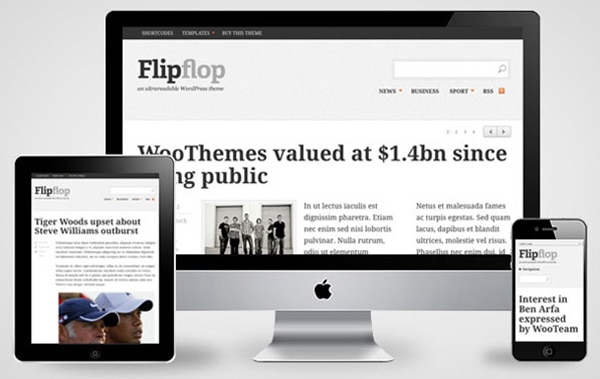
In the digital age, where websites are accessed on a wide range of devices, responsive typography plays a crucial role in delivering a seamless reading experience. With the ever-increasing popularity of smartphones and tablets, it’s essential to ensure that the text on a website is legible and visually appealing across different screen sizes. In this article, we will explore the importance of responsive typography and discuss key strategies to enhance readability on various devices.
Understanding Responsive Typography
Responsive typography refers to the practice of adjusting font sizes, line lengths, and other typographic elements to ensure optimal readability on different screen sizes.
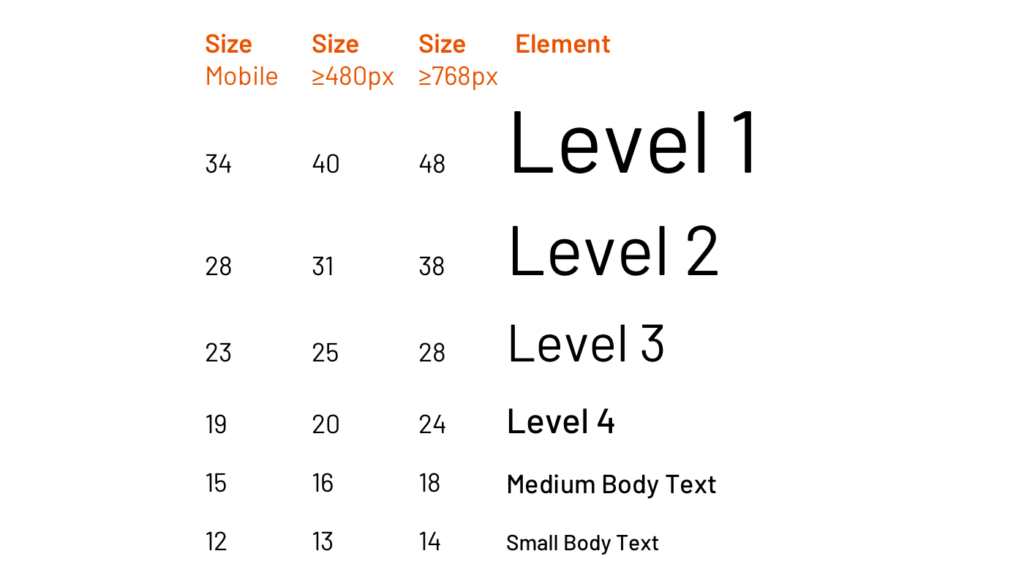
It involves adapting the typography based on the characteristics of the device, such as screen resolution, aspect ratio, and viewing distance.
Importance of Responsive Typography
Responsive typography improves user experience by making the content easy to read and engage with, regardless of the device used. It helps maintain consistency and visual harmony across different screen sizes, ensuring that the typography aligns with the overall design aesthetic. By prioritizing readability, responsive typography encourages users to stay on the website longer and consume the content more effectively.
Key Strategies for Enhancing Readability
Scaling Font Sizes: Using relative units like percentages or ems instead of fixed pixel values allows fonts to scale proportionally with the screen size, ensuring legibility on both small and large devices.
Optimal Line Length: Adjusting the line length to ensure it is neither too long nor too short helps prevent strain on the eyes and promotes comfortable reading.
Contrast and Color: Ensuring sufficient contrast between the text and background is crucial for readability. Careful consideration of color combinations is essential, especially for users with visual impairments.
Hierarchy and Layout: Employing proper typographic hierarchy through font weights, sizes, and styles helps users quickly scan and understand the content. Well-structured layouts with appropriate spacing contribute to a pleasant reading experience.
Responsive Breakpoints: Identifying specific screen widths where the typography needs to adapt is important for maintaining legibility. Implementing responsive breakpoints ensures that text adjusts gracefully as the screen size changes.
Testing and Optimization
Regularly testing the responsive typography across various devices and screen sizes helps identify any readability issues and allows for necessary adjustments. A/B testing can be employed to compare different font sizes, line lengths, or styles to determine the most effective typography for optimal user engagement.
In conclusion, responsive typography plays a vital role in enhancing readability and user experience on websites across different devices. By implementing strategies such as scaling font sizes, optimizing line lengths, and maintaining proper contrast and hierarchy, web designers can ensure that their content is easily accessible and readable for users, regardless of the device they are using. As technology continues to evolve, it is crucial to prioritize responsive typography to create a seamless and engaging reading experience for all users.
Key Points Summary
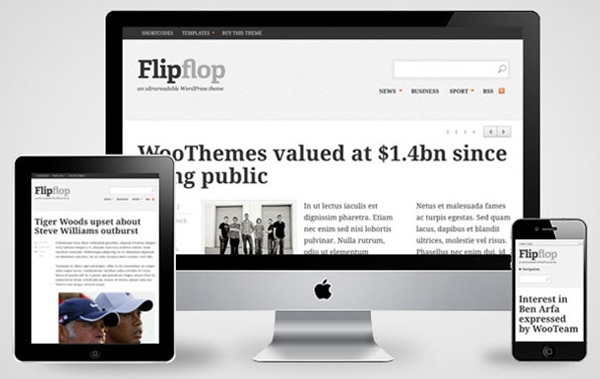
- Responsive typography adjusts font sizes, line lengths, and other typographic elements to ensure optimal readability on different screen sizes.
- It improves user experience by making content easy to read and engage with across devices.
- Strategies for enhancing readability include scaling font sizes, optimizing line lengths, ensuring contrast and color, employing typographic hierarchy and layout, and using responsive breakpoints.
- Regular testing and optimization are important to identify and address any readability issues.
- Responsive typography prioritizes user-centric design and creates a seamless and engaging reading experience on various devices.
Contact our Vietnam team to learn more about how we can help you optimize your website for SEO and achieve your online marketing goals.


