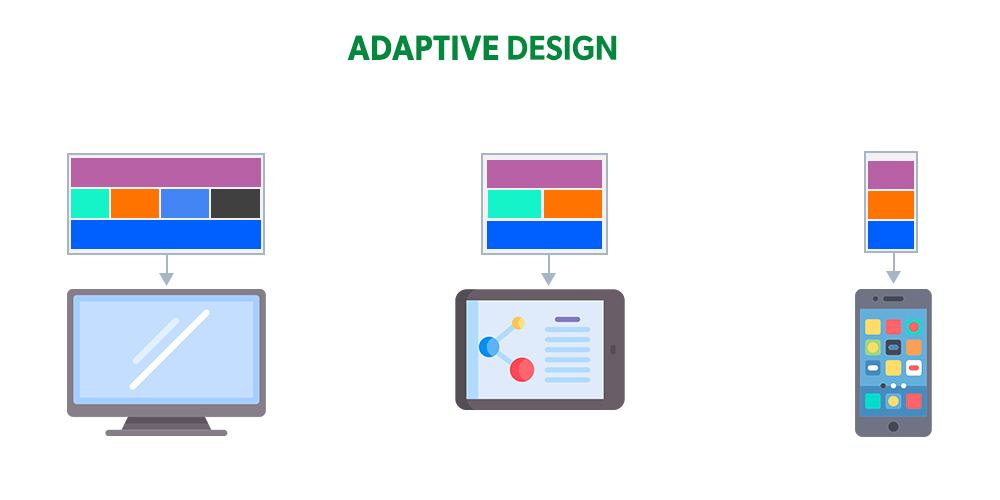
Responsive web design has become a necessity in today’s digital landscape. With the proliferation of devices and screen sizes, it is crucial for websites to adapt seamlessly to different platforms. One important aspect of responsive design is adaptive design. Adaptive design plays a significant role in enhancing user experiences by tailoring the layout, content, and functionality of websites to specific devices or user contexts. In this article, we will explore the role of adaptive design in responsive web design and its key benefits.
Definition and Principles of Adaptive Design
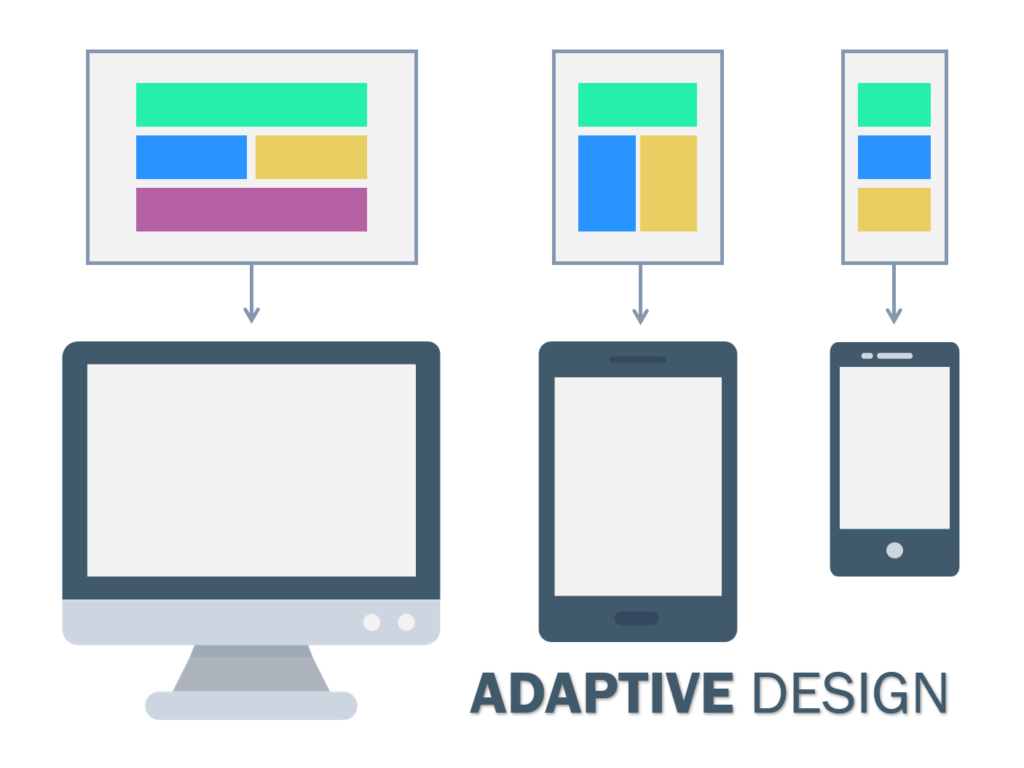
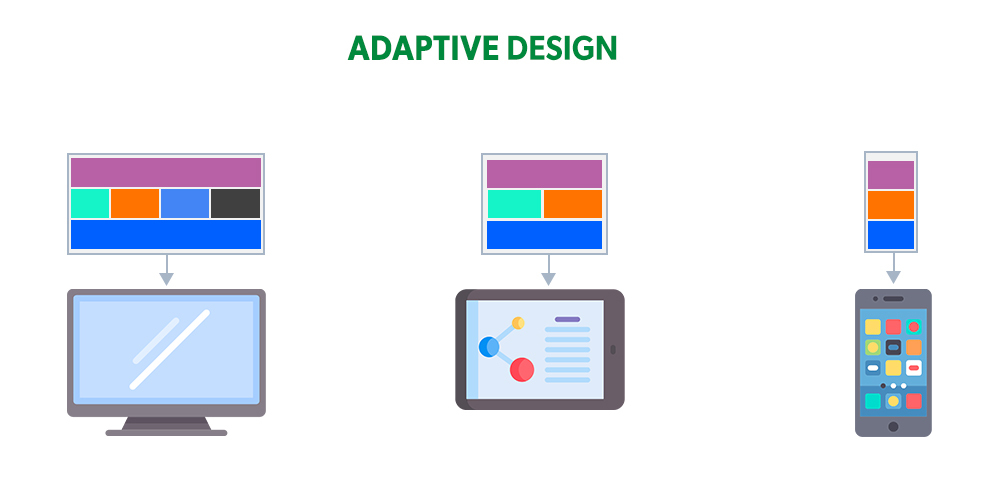
Adaptive design is an approach that involves creating multiple versions of a website, each optimized for specific devices or user contexts. It goes beyond responsive design by providing more targeted and customized experiences. Adaptive design uses techniques like server-side detection, device detection, and user context analysis to deliver the most appropriate version of a website.
Tailoring Experiences to Different Devices
Adaptive design enables websites to deliver optimized experiences based on specific devices. It considers factors like screen size, resolution, input methods, and capabilities to adapt the layout, typography, and navigation. By tailoring the experience to each device, users can have a seamless and intuitive browsing experience.
Optimizing Performance
Adaptive design allows for optimizing performance by delivering lightweight versions of websites to devices with limited resources. By reducing unnecessary elements and optimizing images and code, websites can load faster on devices with slower connections or lower processing power. This ensures a smooth and fast user experience across various devices.
Customizing Content
Adaptive design enables content customization based on user preferences or contextual information. By leveraging data such as location, user behavior, or previous interactions, websites can display personalized content that resonates with individual users. This customization enhances engagement and improves conversion rates.
Progressive Enhancement
Adaptive design follows the principle of progressive enhancement, which ensures that essential content and functionality are accessible to all users, regardless of device capabilities. Websites are built with a core set of features that work on all devices, and additional enhancements are layered on top for devices with more advanced capabilities. This approach ensures a consistent experience across devices while taking advantage of device-specific features when available.
Accessibility Considerations
Adaptive design also takes into account accessibility considerations. Websites should be designed and developed in a way that makes them accessible to all users, including those with disabilities. Adaptive design allows for implementing accessibility features and providing alternative versions of content to accommodate different accessibility needs.
In conclusion, adaptive design plays a crucial role in responsive web design by tailoring experiences to different devices, optimizing performance, customizing content, and ensuring accessibility. By leveraging adaptive design techniques, businesses can deliver seamless and user-centric experiences across multiple platforms, improving user satisfaction, engagement, and conversion rates. As technology continues to evolve, adaptive design will remain a vital component of responsive web design, enabling websites to adapt and thrive in the ever-changing digital landscape.
Key Points Summary

Adaptive design is an approach within responsive web design that creates multiple versions of a website optimized for specific devices or user contexts.
It tailors experiences to different devices by adapting the layout, typography, and navigation based on factors like screen size, resolution, and input methods.
Adaptive design optimizes performance by delivering lightweight versions of websites to devices with limited resources, ensuring fast loading times.
Content customization is a key aspect of adaptive design, leveraging user preferences and contextual information to provide personalized experiences.
The principle of progressive enhancement is followed, ensuring essential content and functionality are accessible to all users while taking advantage of device-specific features when available.
Accessibility considerations are integrated into adaptive design, making websites inclusive and accommodating different accessibility needs.
Adaptive design contributes to seamless and user-centric experiences across multiple platforms, improving user satisfaction, engagement, and conversion rates.
Contact our Vietnam team to learn more about how we can help you optimize your website for SEO and achieve your online marketing goals.